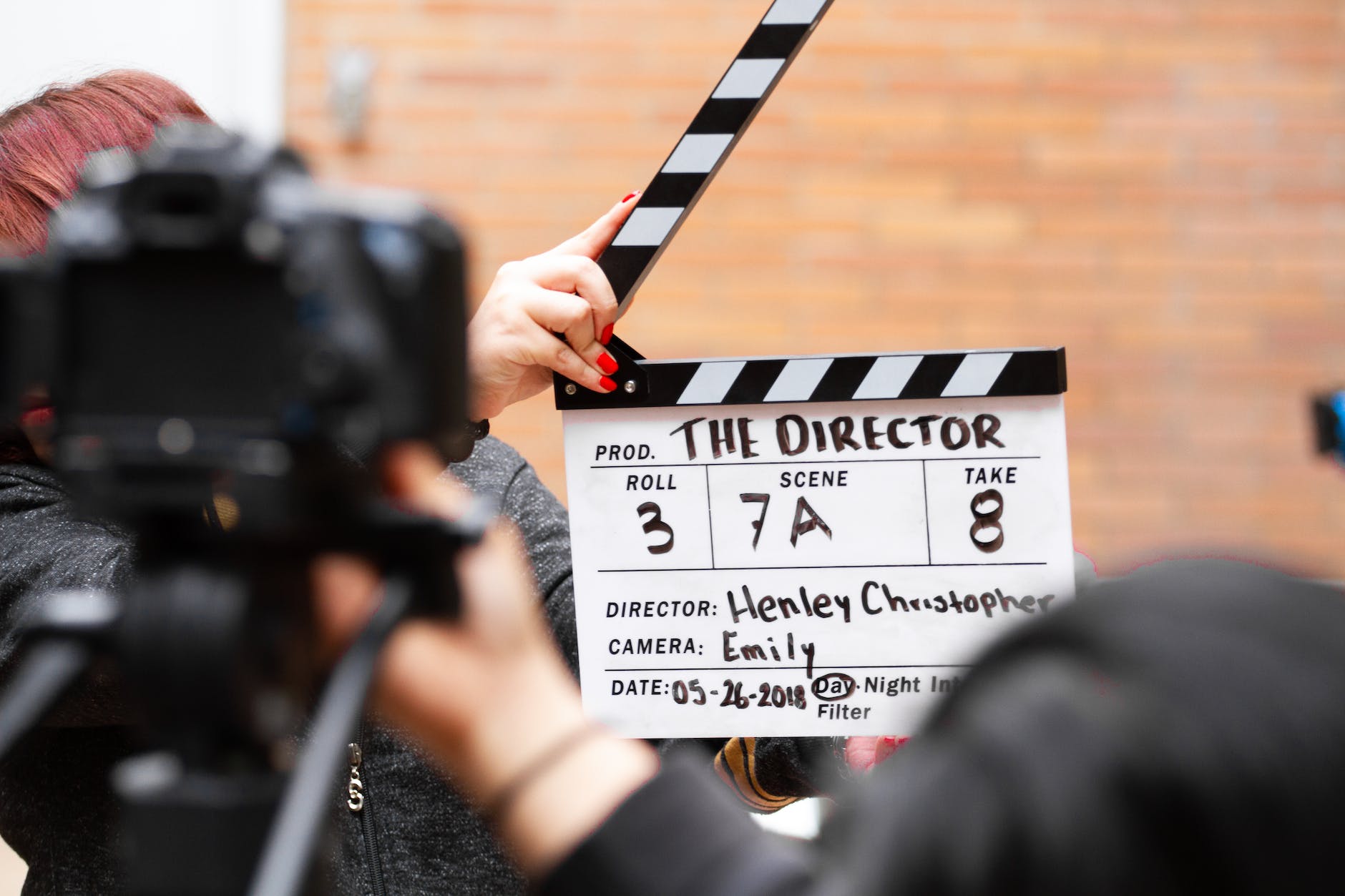
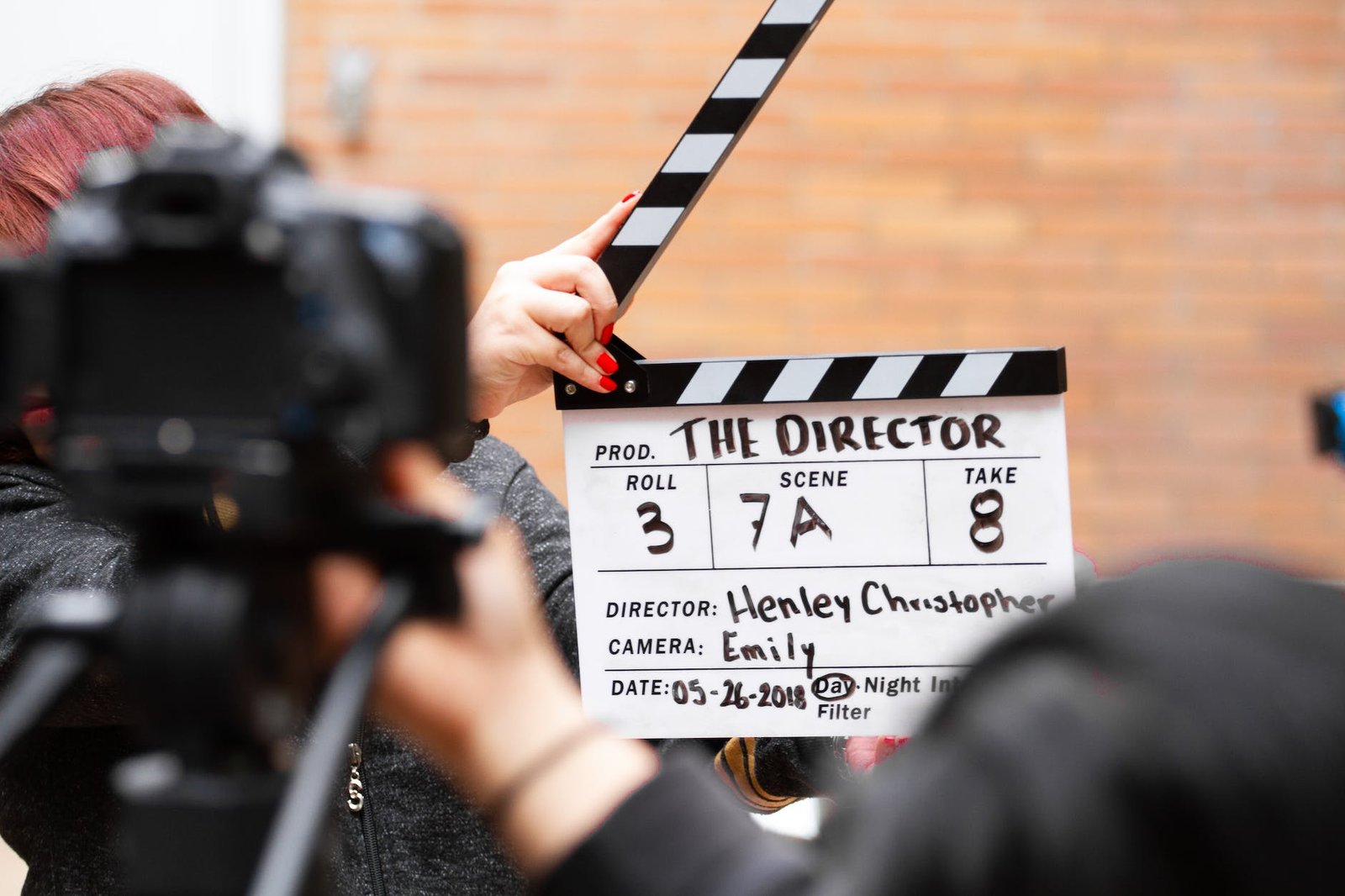
Few milestones in an author’s journey feel as exciting as seeing a story move beyond the page and onto the screen.
Book-to-film adaptations represent one of the most powerful intersections between publishing and entertainment. They transform written narratives into visual experiences, bringing characters and worlds to life for entirely new audiences.
But how do book-to-film adaptations actually work — and what should authors realistically expect?
Let’s explore the evolution, opportunities, and realities of adapting books for film and television.
Why Book-to-Film Adaptations Matter
Adaptations play a major role in shaping modern storytelling. Some of the most iconic films in history originated as books, proving the enduring power of strong narratives.
Legendary examples include:
- The Lord of the Rings
- The Godfather
- The Shawshank Redemption
These adaptations demonstrate how compelling source material can transcend mediums and achieve cultural longevity.
For authors, film adaptations offer something unique: exponential reach. A successful adaptation can introduce a book to millions of viewers who may never have discovered it otherwise.
The Evolution of Book-to-Film Adaptations
The relationship between literature and cinema dates back over a century. Early silent films frequently drew inspiration from novels, and the trend has only expanded with advances in technology and distribution.
Today, the adaptation landscape includes:
- Feature films
- Streaming series
- Limited series
- Documentary-style storytelling
The rise of streaming platforms has dramatically expanded opportunities for adaptation. Companies like Netflix and Amazon now actively seek book-based content because built-in audiences reduce risk.
This shift has opened new doors for authors — especially outside traditional publishing.
How Books Get Adapted Into Films
Many authors assume adaptations happen overnight. In reality, the process is complex and highly selective.
Typical steps include:
- Strong book performance (sales or cultural impact)
- Literary agent or rights representation
- Film rights acquisition
- Script development
- Production greenlight
It’s important to understand that selling film rights does not guarantee production. Many books are optioned but never produced — a normal part of the industry.
The Rise of Streaming Adaptations
One of the biggest modern shifts is the influence of streaming platforms.
Unlike traditional studios, streaming companies:
- Need constant new content
- Favor serialized storytelling
- Value niche audiences
This has led to a surge in adaptations across genres, from romance to thriller to self-published breakouts.
For authors, this trend represents a meaningful opportunity — especially for stories with strong hooks or built-in communities.
What Makes a Book Adaptable?
Not every book translates easily to film.
Stories that adapt well typically feature:
- Strong visual elements
- Clear character arcs
- High emotional stakes
- Cinematic pacing
Concept-driven stories tend to attract attention faster, especially those with compelling “what if” premises.
However, adaptability isn’t limited to fiction. Memoirs, true stories, and even narrative nonfiction frequently attract producers when they contain powerful human journeys.
If you’re writing with long-term positioning in mind, building a professionally structured manuscript is key:
https://thepaperhousebooks.com/editorial-services-in-new-jersey/
Do Authors Need Traditional Publishing to Get Adapted?
Not anymore.
In recent years, many adaptations have originated from:
- Indie bestsellers
- Viral BookTok titles
- Self-published breakout hits
A strong audience can be just as powerful as a traditional publishing deal when it comes to attracting industry interest.
This is why professional production quality still matters — film scouts evaluate presentation as much as storytelling.
If you’re aiming for industry-level positioning, understanding professional publishing standards is critical:
https://thepaperhousebooks.com/publishing-paths/
The Reality Behind Film Rights
It’s important to separate aspiration from reality.
Even successful authors may wait years between:
- Rights sales
- Script development
- Production
Many film rights agreements begin with an option, meaning a studio temporarily reserves the rights while exploring development.
Some projects move forward. Many don’t.
But even an option deal can:
- Increase book sales
- Boost visibility
- Expand professional credibility
Why Film Potential Still Matters for Authors
Even if adaptation isn’t your primary goal, writing with cinematic awareness can elevate your storytelling.
Benefits include:
- Stronger pacing
- Sharper dialogue
- Visual clarity
- Wider appeal
These qualities improve both readership and long-term marketability.
And if your book gains traction, having professional publishing infrastructure in place makes a significant difference in how seriously it’s taken by industry professionals.
You can explore how distribution and positioning impact long-term opportunities here:
https://thepaperhousebooks.com/distribution-sales/
Final Thoughts: From Manuscript to Screen
Book-to-film adaptations represent one of the most exciting possibilities in publishing — but they’re rarely predictable.
While not every book becomes a movie, every strong story expands its potential through professional presentation, audience connection, and strategic positioning.
For authors, the real takeaway is this:
Focus on creating the strongest book possible.
Because whether your goal is readership, credibility, or cinematic potential, it all starts with a powerful manuscript.
If you’re building toward long-term publishing success, your next step starts here:
- Explore publishing pathways: https://thepaperhousebooks.com/publishing-paths/
- Submit your manuscript: https://thepaperhousebooks.com/submit-your-manuscript/
