Publishing a book is a creative partnership—but it is also a legal one.
At The Paper House, our contracts are designed to be straightforward, ethical, and author-first.
You should always understand what you’re signing, what you retain, and how your work is protected.
Authors retain ownership of their work.
We do not claim creative control, copyright ownership, or long-term rights beyond what is required to publish and distribute your book according to the selected publishing path.
Your manuscript remains yours.
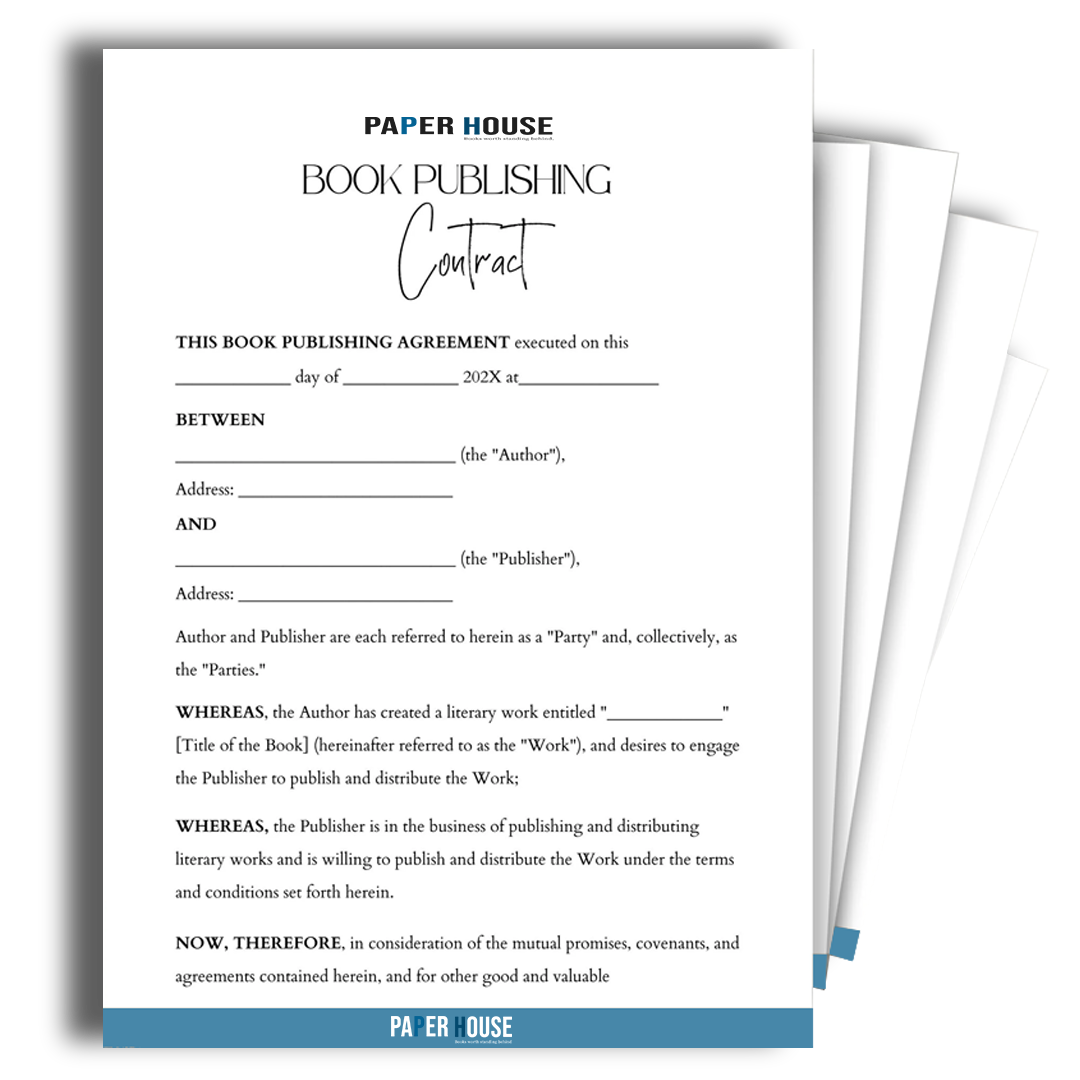
Every publishing agreement clearly outlines:
There are no hidden clauses or bundled rights transfers.
Children’s publishing often involves additional considerations—illustration rights, formatting standards, and production requirements.
Contracts for children’s books reflect:
All rights are addressed explicitly before work begins.
02
Contracts should enable creativity—not complicate it.
Our goal is to provide a clear framework that supports collaboration, protects authorship, and allows the publishing process to move forward with trust.
01
You’ll receive your contract before moving forward—never after work has begun.
We encourage authors to:
An informed author is a protected author.