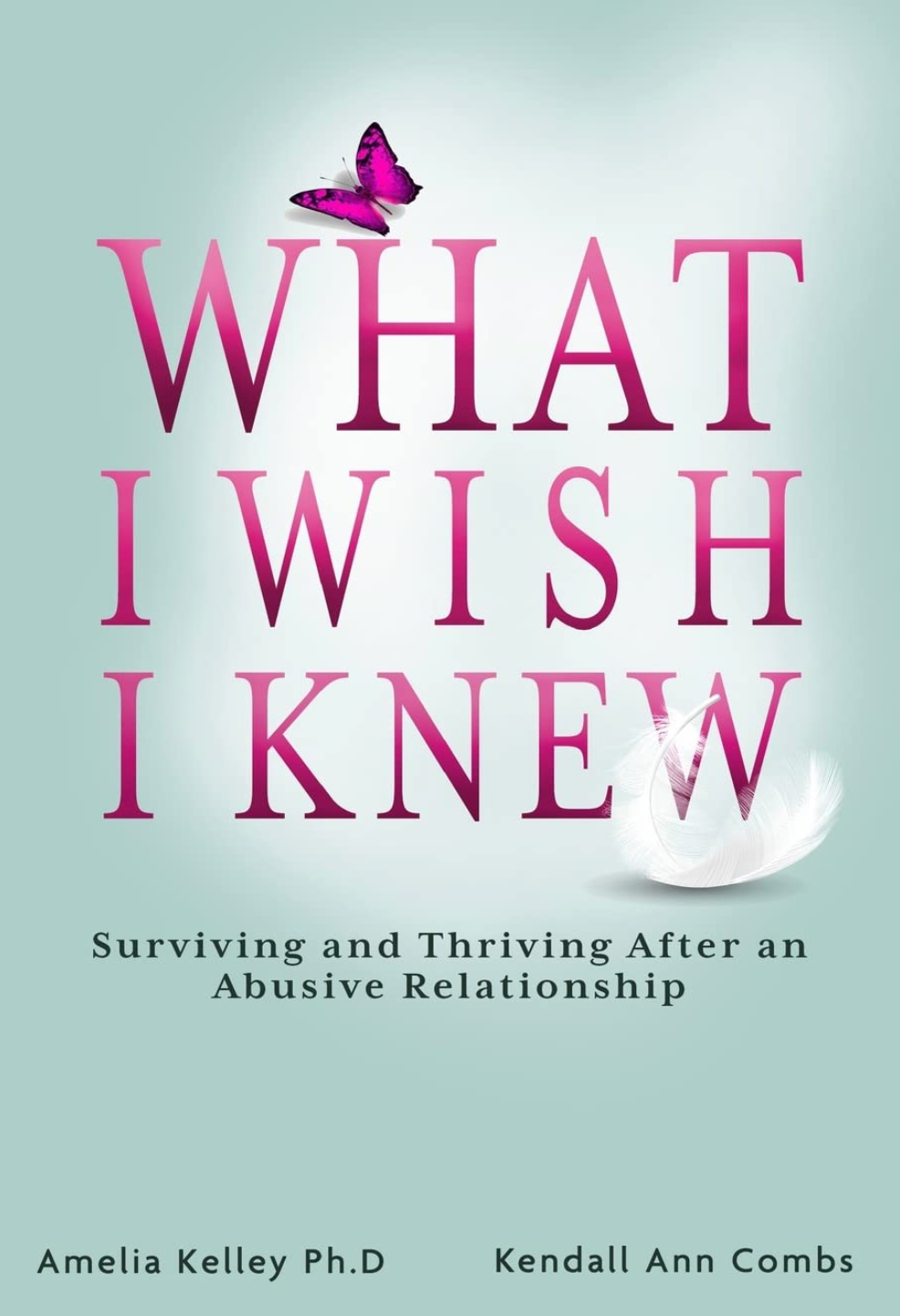
If a survivor of domestic violence and a trauma-informed therapist could speak to survivors of abuse, what wisdom would they provide? In this ground-breaking book, Kendall Ann Combs, a survivor of domestic violence, and Dr. Amelia Kelley, an expert in psychology, seek to answer questions and provide resources for those who have experienced abuse.
Whether you are a survivor of domestic violence or in a relationship where any type of abuse is present, this important resource will help you regain the part of yourself that you have lost and offer the support you need to thrive. Ms. Combs shares her experience of being in an abusive relationship while Dr. Kelley provides trauma-informed techniques and easy to implement strategies to support everyone who has experienced a toxic, unhealthy, abusive relationship.
Part memoir, part self-empowerment guide, this bookis designed to provide resources for anyone experiencing abuse. Readers who are survivors of abuse, those struggling to recognize if their relationship is unhealthy or dangerous, and those wondering how to leave an abusive relationship safely will all benefit from this powerful book. What I Wish I Knew can also serve as a valuable resource for those in helping professions or for loved ones supporting someone in an abusive relationship.
Some of the topics explored are gaslighting, love bombing, control, red flags, stonewalling, narcissism, boundary setting, the power of isolation, consent, the effects of violence on the body, and how trauma affects the brain.
The book offers suggestions on how a survivor can thrive after an abusive relationship by offering research-backed strategies such as grounding techniques, breath work, meditation, how to repair the brain after abuse, and how to avoid future abusive relationships. Throughout the book, readers are offered prompts, lists, and other opportunities to explore their own feelings and experiences.
What I Wish I Knew is an essential read for anyone who has endured any type of abusive relationship and for those working to helping survivors overcome their experiences in those relationships.